


Bring the lipstick you actually wear, even if the tube is nearly empty. A familiar shade can make a lip blush consultation in Salt Lake City more specific than asking for “a nice pink.” It gives us a reference for the color you enjoy. It does not guarantee that a tattoo will heal as an exact copy.
At Moonlit PMU in Sandy, Utah, your existing lip color is part of the plan. The useful conversation is about what you like in that lipstick and which parts of its appearance lip blush can realistically address.
Separate the color you like from the finish you wear
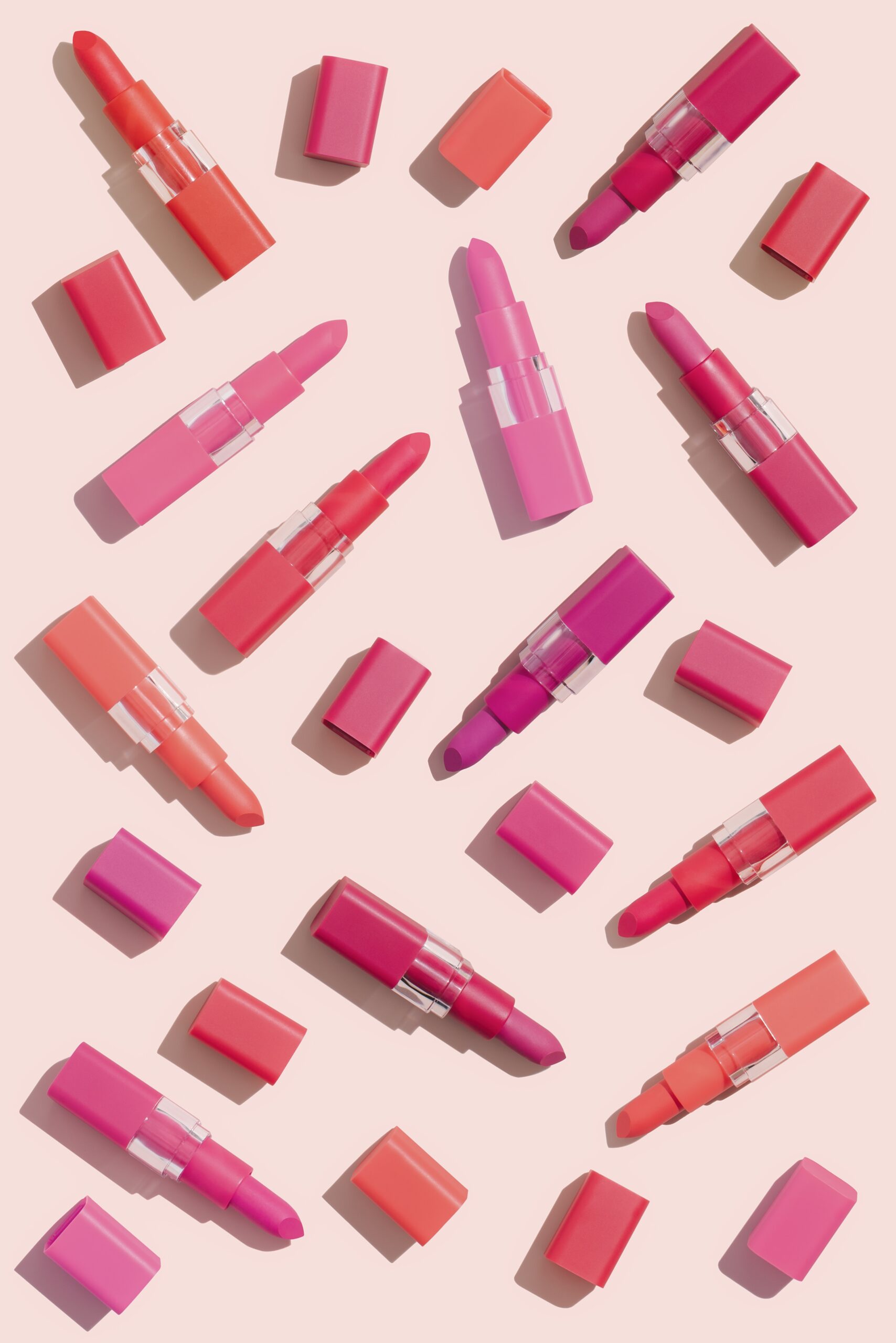
You might love the warmth of a coral, the depth of a rose, or the contrast a shade creates against your skin. You might also like a lipstick because it is glossy, opaque, or easy to blot into a tint. Those are different preferences.
Lipstick sits on the surface. Lip blush is a tattoo, and its healed appearance works with the color already in your lips. A reference can guide the discussion without becoming a promise of the same coverage, shine, or saturation.
Try describing how you use the product: one light swipe, several layers, or liner with gloss. “I like this after I blot most of it off” tells us something different from “I want it to look like this straight from the tube.”
What to bring besides the shade name
- The product itself, if you still have it, along with its brand and shade name.
- A photograph of you wearing it, especially if the product is discontinued.
- A note about whether you wear it sheer, layered, or with another lip product.
- One contrasting example you dislike, if it helps explain your preferences.
A photo is useful context, but filters, lighting, and a screen can change how the color appears. Point out what you want me to notice rather than relying on the photograph alone. You do not need to buy a new lipstick just for the consultation.
Your starting lip color still matters
The same reference shade does not establish the same treatment plan for two people. I consider the color already present, areas of uneven tone, the existing lip border, and the amount of definition you want.
Some lips need a staged approach to color before working toward a target shade. A favorite nude or pink cannot tell us whether neutralization is appropriate or how many appointments you may need. That needs an individual assessment.
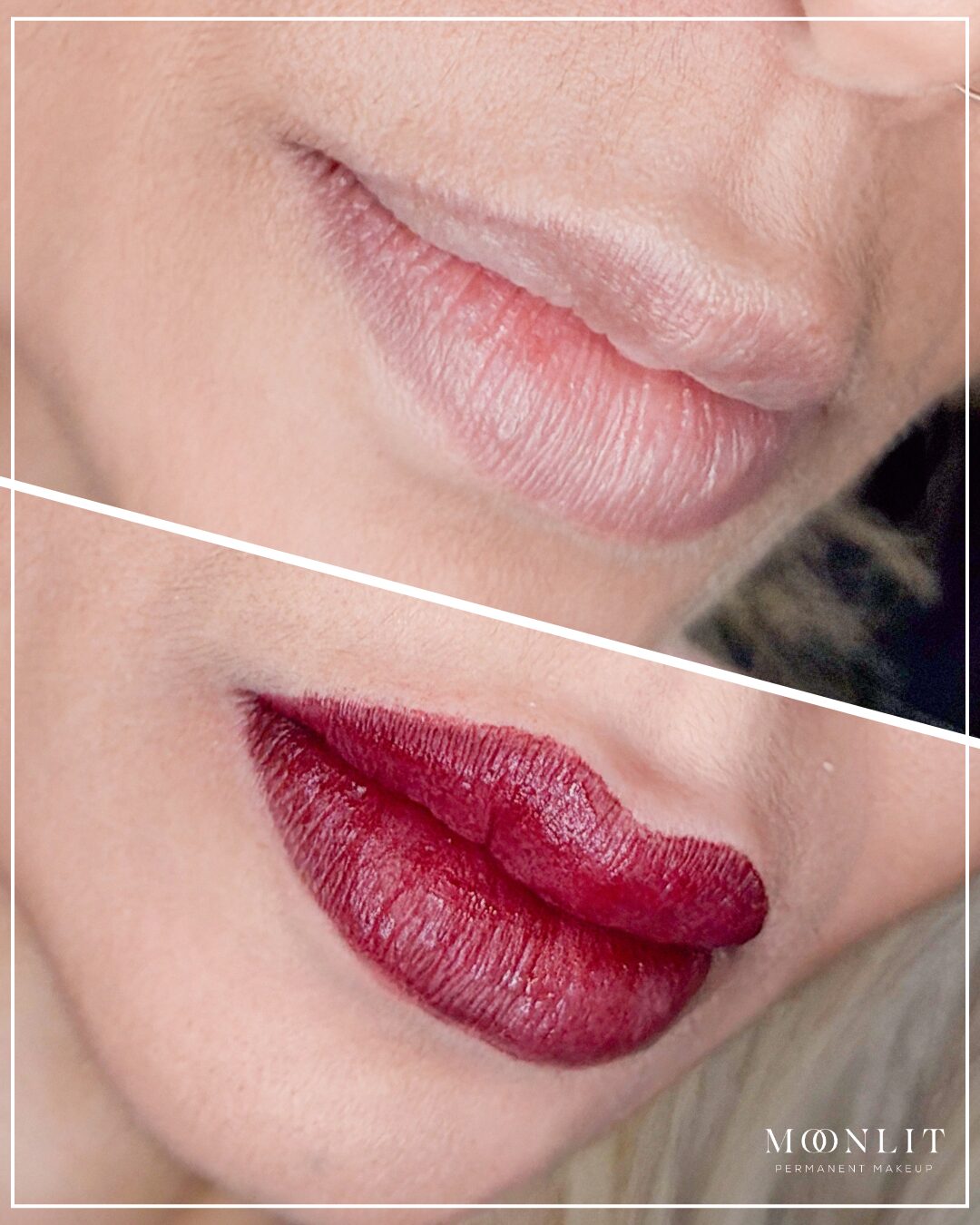
Before-and-after lip blush example from Moonlit PMU. This photograph is not a promise of your color or a substitute for assessing healed results.
How the reference becomes a lip blush plan
- Consultation: identify what you like about the reference and your everyday makeup habits.
- Design: assess the existing lip border and discuss where you want clearer definition.
- Pigment selection: consider your starting lip color alongside your preferred color direction.
- Treatment: proceed with an agreed plan when the assessment supports treatment.
- Follow-up: review the healed color and whether further refinement is appropriate.
Who this approach is useful for
- You know which lipstick you reach for but struggle to describe the shade.
- You want a tint-like effect even though your favorite product is highly pigmented.
- You enjoy wearing different lipsticks and want to discuss a wearable starting point.
- You are deciding whether your main concern is color, an uneven-looking border, or both.
Liking a reference color does not establish candidacy. Previous lip tattooing, current irritation, and relevant treatment or health history still belong in the assessment. You can have the conversation before deciding to proceed.
What I look for in a reference at Moonlit PMU
I plan around your starting lip color, undertones, and desired level of saturation. A lipstick reference helps make your preferences clearer, but the pigment choice still has to account for your lips and the healed goal. Choosing the closest-looking bottle is not the whole decision.
It also helps to say what you want on days when you are wearing no other makeup. You may like a dramatic lipstick for an evening out and want a different everyday lip blush result. Both preferences can belong in the same consultation.
A useful reference starts a conversation
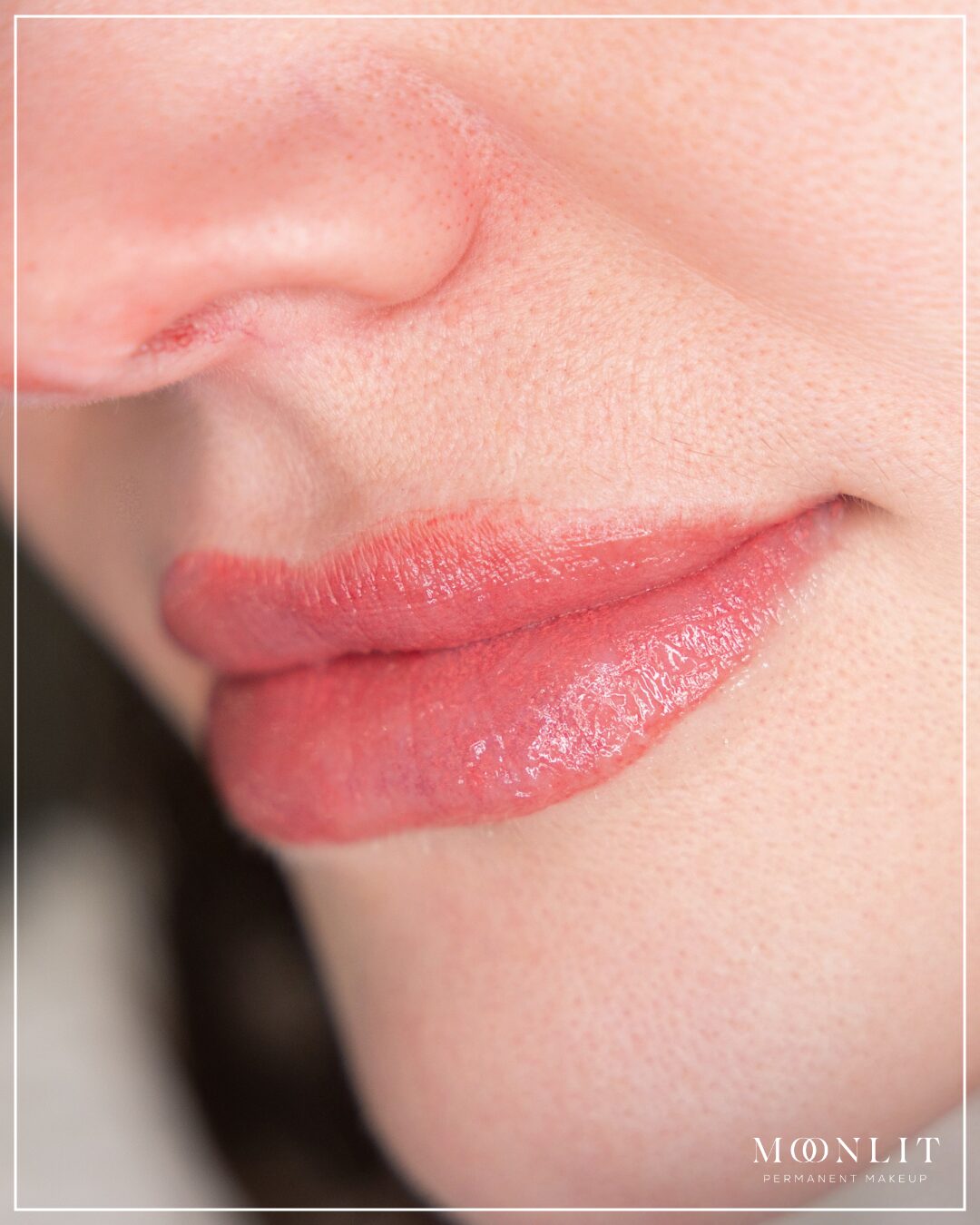
The best reference is one you can explain. Bring the color, describe how you wear it, and be clear about the parts you would not want permanently. The outcome of that conversation may be a lip blush plan, a different expectation, or a decision to keep enjoying lipstick.
Frequently asked questions
Can lip blush match my lipstick exactly?
An exact healed match should not be promised. Your starting lip color, pigment choice, technique, and how the color settles all matter. Use the lipstick to explain your preferences rather than as a guaranteed final shade.
Should I bring more than one lipstick?
One favorite is enough. A second shade can help if it shows an important difference, such as a color you enjoy at night but would not want as your everyday result. A large collection is not necessary.
What if I only have a photograph of the lipstick?
Bring the photograph and the product name if you know it. Explain whether the image resembles the color you see in person. A filtered photo or product listing alone cannot establish the pigment choice.
Does bringing a lipstick mean I should wear it to treatment?
A consultation reference and treatment-day preparation are separate things. Bring the product for discussion, then confirm how to arrive for your appointment. Review the lip blush pre-care page with your artist if anything is unclear. Do not change prescribed medication without your prescriber’s advice.
Can I wear lipstick while my lip blush heals?
Do not plan to use lipstick to cover a freshly treated area. Follow the instructions supplied for your appointment and confirm when regular lip products can resume. The lip blush aftercare page is a resource to discuss alongside those instructions.
What if my favorite lipstick is a nude shade?
“Nude” describes a relationship to your coloring, not one universal pigment. Show how the shade looks on you and explain whether you like its warmth, depth, or understated contrast. Your existing lip color determines what needs to be considered next.
Helpful Links
- Lip blush for pale or low-contrast lips
- Lip neutralization and starting lip color
- Book a free 15-minute virtual or in-person consultation
- Meet Alison at Moonlit PMU


View comments
+ Leave a comment