

What Is Self-Harm Scar Camouflage Tattooing
Self-harm scar camouflage is a specialized form of paramedical tattooing designed to soften the appearance of scars by blending them into your natural skin tone. The goal isn’t to erase your past, it’s to help your skin feel more aligned with how you want to move forward.
This technique uses custom pigment blending, similar to what’s explained in What Is Paramedical Tattooing in Salt Lake City Utah, to restore visual balance rather than create coverage that looks artificial.
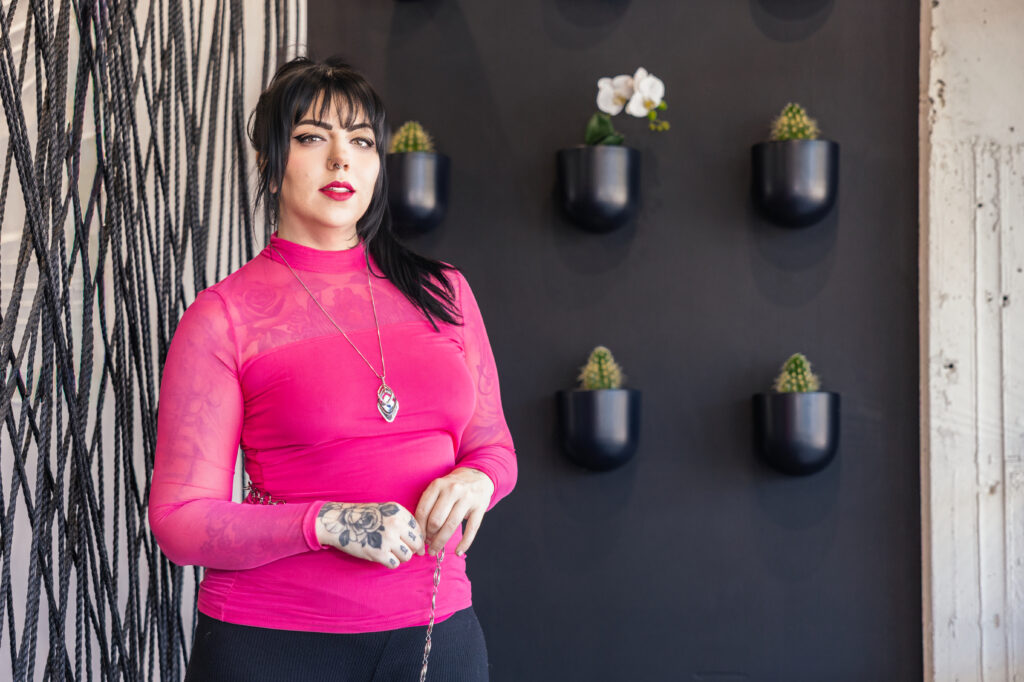
At Moonlit PMU, self-harm scar work is approached with intention, care, and respect. If you’re considering scar camouflage, understanding the process and expectations is key to achieving natural results.
Self-Harm Scar Camouflage Treatment Options
Not all scars respond the same way, especially when it comes to self-harm scarring. The success of camouflage depends on both the type of scar and how it has healed over time.
Common considerations include:
- Color of the scar (white, pink, or uneven tone)
- Texture (flat vs raised or indented)
- Density and pattern of scarring
- Skin tone and undertone
- Time since healing
Fully healed, flat scars typically respond best. If scars are still red, raised, or actively changing, it may be better to wait before treatment.
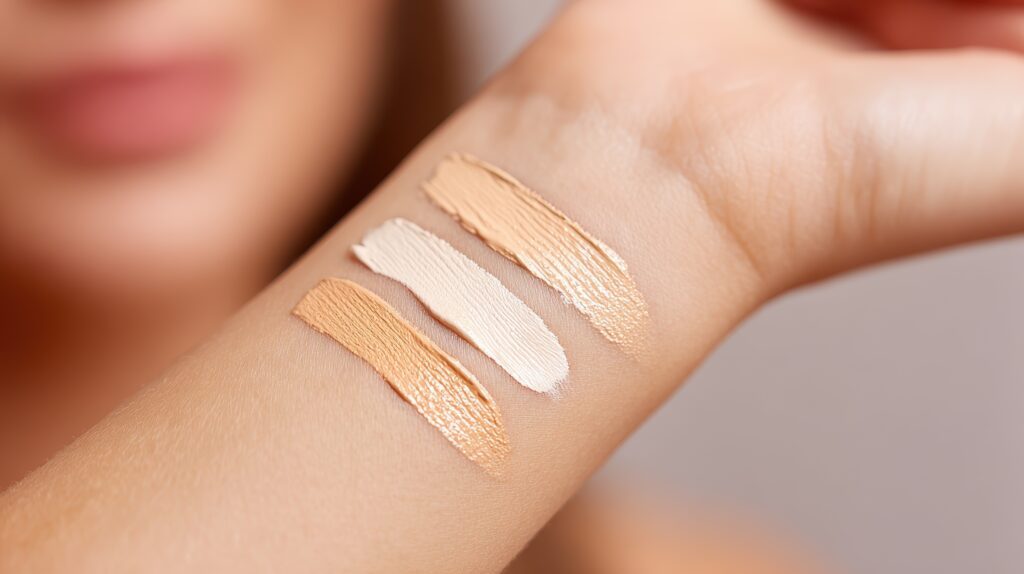
Pigment matching plays a major role here, as explained in How Pigment Matching Works for Scar Camouflage in Salt Lake City Utah, where tone is built gradually for a more natural blend.
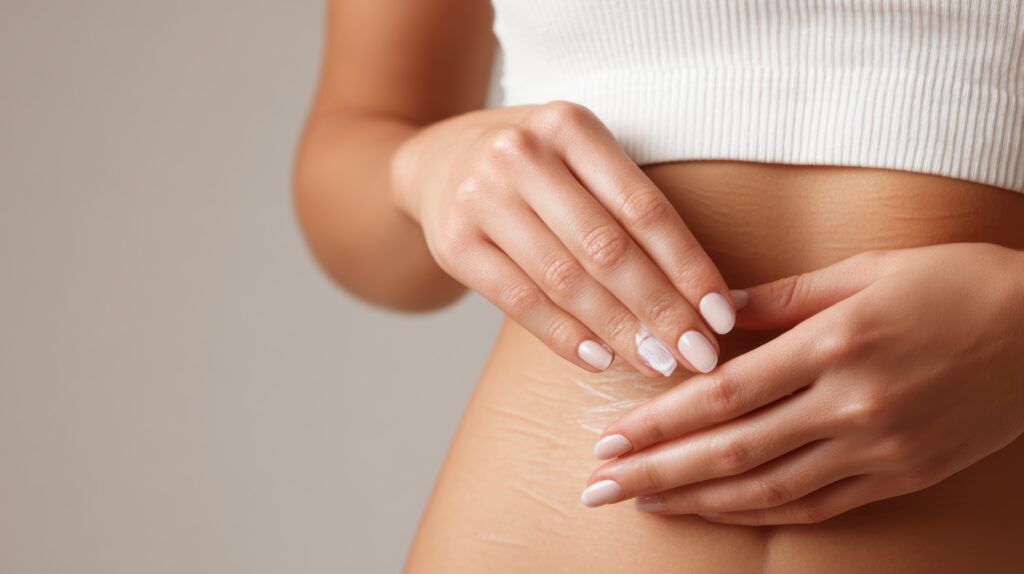
The Scar Camouflage Process at Moonlit PMU
Every session is paced carefully to support both the physical and emotional aspects of this work.
- Consultation – discuss goals, readiness, and whether your scars are suitable for treatment
- Skin and scar assessment – evaluate tone, texture, and healing stage
- Custom pigment blending – mix tones to match your surrounding skin and undertone
- Layered application – implant pigment gradually for realistic blending
- Session spacing – allow proper healing before additional layering
- Healing guidance – support optimal results through proper aftercare
This is not a one-session transformation. Most clients require multiple sessions to achieve a result that looks soft and natural.
Who Is a Good Candidate for Self-Harm Scar Camouflage
This treatment is for people who want their scars to feel less visually dominant, not erased.
You may be a good fit if you:
- Have fully healed scars (typically 12+ months old)
- Want a subtle, skin-toned blend rather than full coverage
- Are emotionally ready to work with this area of your body
- Understand that results are progressive and layered over time
- Want to feel more comfortable in your skin without hiding it
This work is deeply personal, and the goal is always to support your autonomy in how you choose to move forward.
Choosing a Scar Camouflage Artist in Salt Lake City Utah
Scar camouflage, especially for self-harm scars, requires a thoughtful and informed approach.
At Moonlit PMU, this includes:
- Advanced understanding of scar behavior and pigment healing
- Custom color blending tailored to your skin
- A calm, inclusive studio environment
- A focus on results that look like skin, not makeup or tattooing
Choosing the right artist means choosing someone who understands both the technical and human side of this work.
Ready to explore scar camouflage
You don’t have to rush this decision.
For many people, scar camouflage is less about changing the past and more about creating a future where their skin feels more neutral, more blended, and less like something they have to manage every day.
When done well, the result doesn’t draw attention. It simply allows your skin to exist more quietly.
FAQ
Can self-harm scars be completely removed with scar camouflage tattooing?
No. Self-harm scar camouflage helps soften the visibility of healed scars by blending them into your natural skin tone, but it does not remove texture or completely erase the scars.
How many self-harm scar camouflage sessions will I need?
Most clients need multiple scar camouflage sessions spaced several weeks apart. Building pigment gradually helps create softer, more natural healed results.
Does scar camouflage work on raised or textured self-harm scars?
Flat, fully healed scars typically respond best to scar camouflage tattooing. Raised or textured scars may need additional treatment or softening before camouflage is recommended.
Will the scar camouflage pigment match my skin perfectly?
Pigment is custom blended to match your skin tone and undertone as closely as possible. Because skin changes over time, occasional touch-up sessions may help maintain the blend.
What should I do before and after my scar camouflage appointment?
Following proper Scar Camouflage pre-care and Scar Camouflage aftercare instructions is important for smooth healing, better pigment retention, and natural-looking results.
Helpful Links
- Schedule a consultation
- Book your session
- Scar Camouflage Results in Salt Lake City Utah
- Stretch Mark Camouflage Results and Expectations in Salt Lake City Utah



View comments
+ Leave a comment