


What is PMU retention in Salt Lake City Utah
PMU retention refers to how well your skin holds permanent makeup pigment after it heals. In Salt Lake City, clients often ask why one person’s brows, eyeliner, or lip blush lasts beautifully while another person’s results soften faster, fade more unevenly, or need more layering.
The answer is not usually one single thing. Retention is influenced by skin type, lifestyle, pigment selection, technique, healing habits, and how your body naturally responds to tattooing. Services like Brows are designed with retention in mind from the beginning, but healed results are always a collaboration between the artist, the skin, and the aftercare process.
A helpful foundation is understanding What is Permanent Makeup in Salt Lake City Utah and why PMU should be planned for healed results, not just fresh appointment photos.
Permanent makeup services where retention matters
Retention matters for every PMU service, but it does not behave the same way everywhere on the face or body.
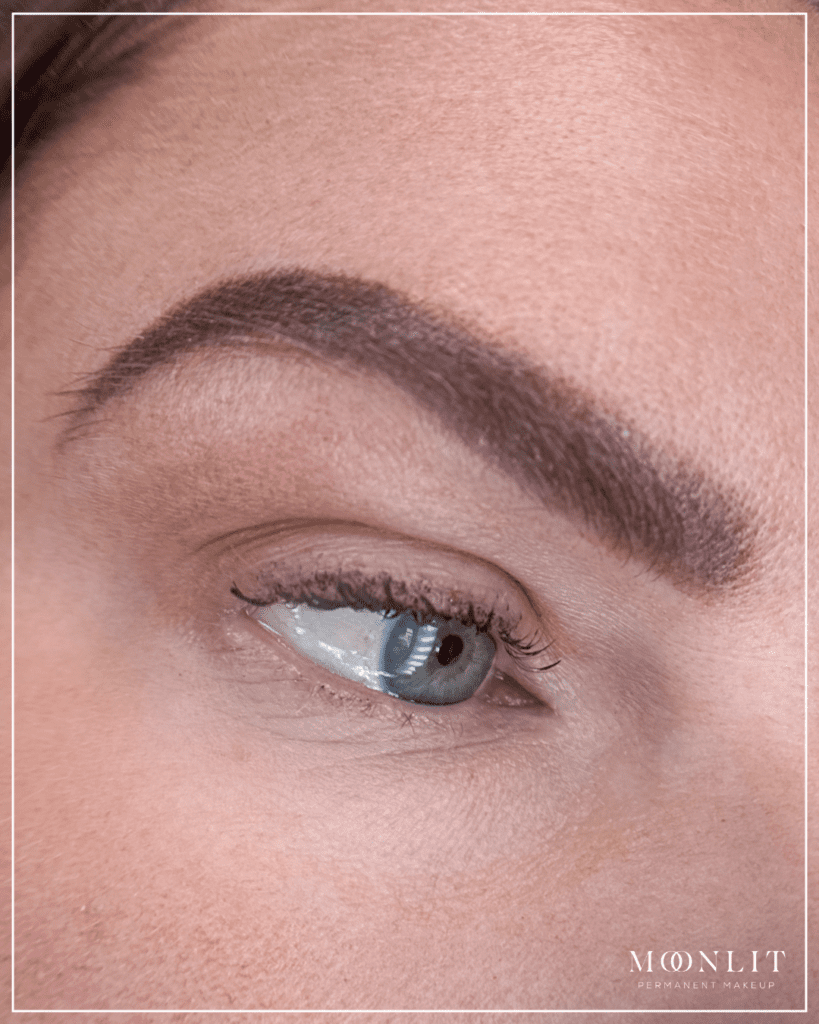
Brows can fade differently depending on oil production, pore size, previous work, sun exposure, and skin texture. Oily or highly active skin may soften pigment faster, while drier or more balanced skin may hold shape and color longer.
Permanent eyeliner often has strong retention because the skin along the lash line can hold pigment well, but swelling, sensitivity, eye watering, and aftercare habits still matter. The goal is soft definition that heals cleanly instead of looking heavy.
Lip blush is affected by lip undertone, circulation, natural color, cold sore history, hydration, and how the lips exfoliate during healing. Some clients need more than one session to build color evenly.
Paramedical tattooing such as scar camouflage or stretch mark camouflage depends heavily on tissue quality. Scarred or stretched skin does not hold pigment the same way untouched skin does, which is why layering and realistic expectations are so important.
Good retention is not about forcing more pigment into the skin. It is about choosing the right technique, depth, pigment, and pace for the skin in front of you.
The PMU retention process at Moonlit PMU
- Consultation – review your goals, skin type, lifestyle, previous PMU, healing concerns, and what kind of result is realistic for your skin
- Mapping and design – create a shape or placement that works with your anatomy and will still look balanced after softening
- Pigment selection – choose pigment based on undertone, skin depth, service area, and how the color is expected to heal over time
- Treatment steps – implant pigment gradually and intentionally instead of overworking the skin in an attempt to force retention
- Healing guidance – provide clear aftercare instructions so your skin has the best chance to heal soft, even, and stable
At Moonlit PMU, retention is considered before the needle ever touches the skin. The goal is not just to create a pretty fresh result in SLC. The goal is to create permanent makeup that heals well and still feels like you.
Who PMU retention support is for
Understanding retention is especially helpful if you:
- Have had PMU fade faster than expected in the past
- Have oily, textured, sensitive, mature, or reactive skin
- Are worried about brows healing too cool, too warm, patchy, or uneven
- Want soft, natural PMU results instead of overly saturated work
- Use skincare actives, exfoliants, or treatments that may affect fading
- Spend a lot of time in the sun or have an active lifestyle
- Are choosing PMU because daily makeup feels stressful, inconsistent, or time-consuming
PMU retention is not about blaming your skin. It is about understanding how your skin behaves so the treatment can be designed around it.
Choosing a Salt Lake City PMU artist
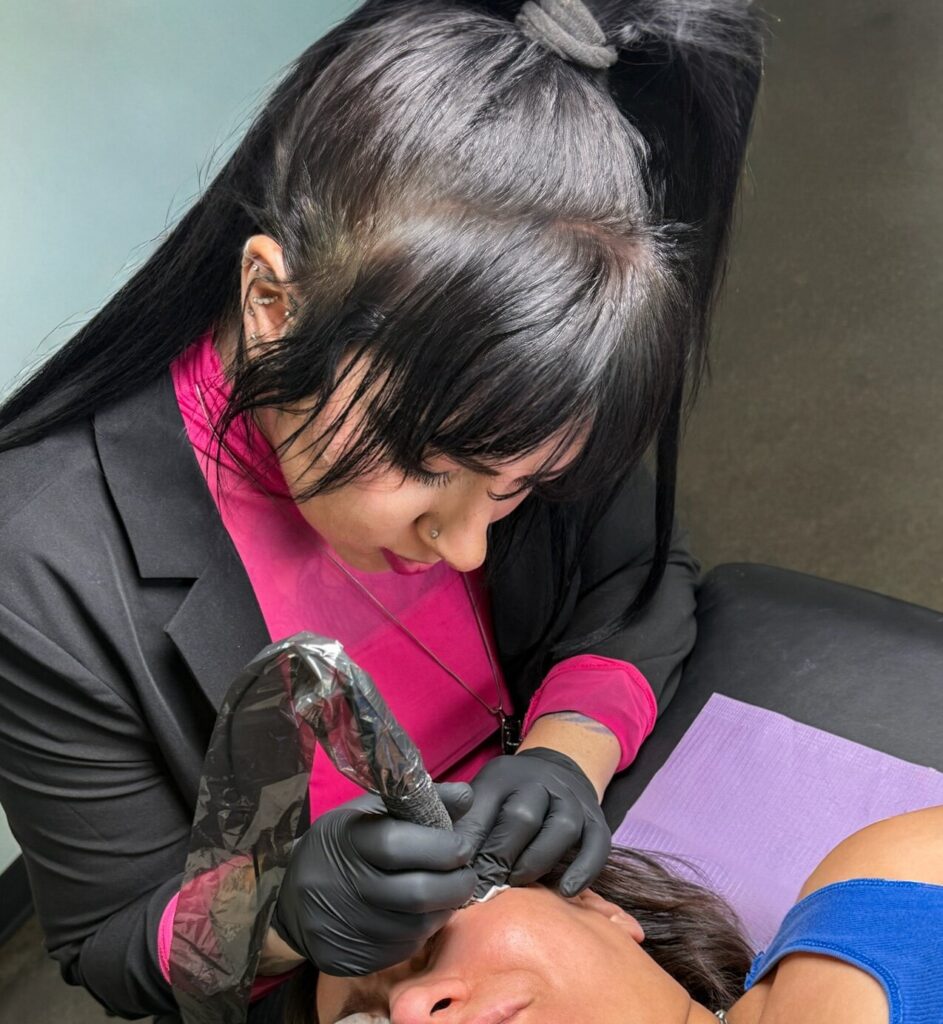
Choosing the right artist matters because retention is not just luck. It comes from understanding skin behavior, pigment theory, needle selection, depth, pressure, and healed color.
At Moonlit PMU, the approach is conservative, intentional, and focused on natural healed results. That means avoiding trendy work that may look dramatic when fresh but heal too harsh, too ashy, or too artificial later.
Working in an inclusive studio also means your goals are approached with care and respect. Whether you want subtle definition, restored color, gender-affirming enhancement, or correction work, the design should feel personal instead of copied from someone else’s face.
The best PMU is not the darkest result on day one. It is the result that heals balanced, wears naturally, and supports your real life.
Ready to explore PMU retention
Some skin holds pigment beautifully with minimal effort. Some skin needs more patience, more layering, or a more strategic plan. Neither is wrong.
When permanent makeup is designed around your skin instead of against it, the result can heal softer, last longer, and feel more natural over time.
FAQ
Why does PMU last longer on some people than others
PMU lasts longer on some people because skin type, oil production, immune response, sun exposure, skincare habits, and aftercare all affect how pigment heals and fades. Technique matters too, but skin behavior plays a major role.
Does oily skin make PMU fade faster
Oily skin can soften PMU faster, especially with brow work. This does not mean oily skin cannot have beautiful results, but it may need a different technique, softer expectations, and maintenance over time.
Can skincare affect PMU retention
Yes. Exfoliating acids, retinoids, brightening ingredients, resurfacing treatments, and aggressive skincare can cause PMU to fade faster, especially around brows. Long-term retention depends partly on how you care for the area after it heals.
Does better aftercare help PMU last longer
Proper aftercare helps support cleaner healing and better retention. For brow clients, review Brow PMU pre-care before your appointment and follow Brow PMU aftercare closely during healing.
Is it normal for PMU to fade during healing
Yes. PMU often looks darker at first, then softens, flakes, and may appear lighter before the color settles. This is part of the healing process and one reason follow-up sessions are important.
Can poor retention be fixed
Often, yes. If the skin is healthy enough and the previous work allows for it, retention can usually be improved with better technique, pigment planning, healed-result strategy, and realistic layering.
Helpful Links
- Schedule a consultation
- Book your session
- How Skin Type Affects PMU Retention in Salt Lake City Utah
- Designing PMU for Healing in Salt Lake City Utah
- Healed PMU in Salt Lake City Utah


View comments
+ Leave a comment